Did you know that companies leveraging a robust transportation management system report a reduction in freight costs of up to 18% and see order accuracy improve by as much as 50%? In today’s fast-paced global economy, the backbone of every successful supply chain lies in how efficiently goods are moved, tracked, and optimized, putting modern transportation management systems at the forefront of logistics innovation.
: A Must-Have in Modern Management
In a landscape defined by complex international shipping routes and rising customer expectations, a transportation management system (TMS) has become indispensable for companies aiming to optimize their supply chain management. Whether you’re a shipper, a logistics service provider, or a supply chain executive, adopting a modern TMS ensures seamless coordination of every step in the movement of goods.
These management systems deliver real-time visibility into shipments, automate labor-intensive processes (like carrier selection and freight audit), and allow businesses to make data-driven decisions that reduce costs and drive efficiency. In fact, integrating a powerful transportation management system is no longer an option but a cornerstone for staying competitive in the digital age. With proven impacts on operational margins, customer satisfaction, and supply chain agility, let’s dive deep into why a TMS is essential, what features to look for, and which solutions stand out.
Unveiling the Power of with Startling Data
According to recent industry reports, over 90% of Fortune 100 companies rely on some form of transportation management system to handle their logistics operations. These systems are responsible for managing billions of dollars in freight and navigating complex chain management workflows daily.
What’s remarkable is how TMS software has transformed core functions such as transportation planning, real-time track and trace, and carrier management. Modern TMS solutions use advanced algorithms, machine learning, and artificial intelligence to analyze routes, benchmark carrier rates, and maximize load efficiency. The return on investment for businesses adopting TMS solutions commonly includes measurable reductions in shipping spend, improved risk management, and enhanced SLA compliance—a testament to their pivotal role in redefining supply chains worldwide.

What You’ll Learn About
- Key features of a modern transportation management system
- Benefits for supply chain and logistics service providers
- Pricing and comparison of top transportation management systems
- Expert and client reviews of leading management systems
- Decision factors for choosing the right transportation management system
What is a ?
Defining Transportation Management Systems in the Digital
At its core, a transportation management system is an advanced digital platform designed to automate and optimize the entire logistics lifecycle—from order management and carrier selection to real-time tracking and freight audit. Acting as a unified platform, a TMS integrates seamlessly with other management systems such as warehouse management and ERP solutions, enabling both inbound and outbound logistics operations to operate with higher precision and less manual intervention.
As supply chains grow more global and complex, the digital transformation of transport processes is necessary for maintaining end-to-end visibility and responding to market shifts. Transportation management systems aggregate and analyze massive datasets, empower logistics service providers with actionable intelligence, and facilitate automated workflows that minimize human error—all while keeping the movement of goods compliant and efficient.

How a Management System Improves Logistics Service Performance
“A transportation management system acts as the nerve center of modern supply chain management, driving efficiency and visibility across logistics networks. ”
By automating manual processes and centralizing data flows, a management system like a TMS improves logistics service performance by streamlining transportation operations, enhancing order accuracy, and delivering real-time status updates to customers and internal teams alike. Logistics service providers gain the tools to quickly compare rates, allocate loads efficiently, and resolve disruptions before they impact service levels.
With capabilities such as route planning, carrier management, and freight audit integrated into a unified dashboard, decision-makers can react faster to changes and use predictive analytics for smarter planning and execution. The result is improved operational margins, increased agility, and a reputation for timely, reliable delivery within increasingly complex supply chains.
People Also Ask About
What is the ?
A transportation management system (TMS) is a digital platform designed to optimize and streamline transportation operations within the supply chain, improving planning, execution, and visibility for shippers, carriers, and logistics service providers.
What are the 4 types of transportation systems?
The main types of transportation management systems include planning and optimization systems, execution management systems, fleet management systems (FMS), and specialized intermodal and multimodal management systems.
What is the difference between TMS and FMS?
A TMS focuses on the planning, execution, and optimization of freight movement, while an FMS (fleet management system) is dedicated to managing and tracking vehicle assets and driver activities.
What is the best TMS software?
The best transportation management system depends on business size, industry needs, and integration requirements. Leading options include Axis TMS.
Core Features of a
Route Planning and Optimization in Transportation Management
One of the most impactful components of any management system is its route planning functionality. By leveraging AI-powered algorithms, transportation management systems can optimize delivery schedules, minimize empty miles, and help users choose the most cost-effective carrier for each shipment. This translates directly into reduced transport expenses and more sustainable supply chain networks.
Moreover, TMS route optimization enables shippers and logistics service providers to account for constraints such as delivery windows, vehicle capacities, and geographic restrictions, greatly improving on-time performance. For organizations managing both inbound and outbound flows, the ability to dynamically reroute shipments also helps in responding to disruptions or supply chain bottlenecks in real time.

Carrier Management and Rate Benchmarking Using Modern Management Systems
Modern management systems elevate carrier management from routine tasks to a strategic advantage. With integrated carrier databases, a TMS enables automated carrier selection based on performance metrics, real-time capacity, and current market rates. Users can benchmark against historical rates to ensure carrier agreements remain competitive and cost-effective.
By continually analyzing market data, a transportation management system can suggest alternate carriers, negotiate better contracts, and flag cost anomalies across multiple lanes. This fosters stronger partnerships between shippers and service providers, encouraging transparency and faster response times when logistics challenges arise.
Load Optimization: Efficient Resource Allocation in
Efficient load planning is at the center of supply chain cost control. Transportation management systems utilize advanced optimization models to stack loads, consolidate shipments, and maximize the utilization of truck or container space. Load optimization features ensure that resources are allocated as efficiently as possible, minimizing waste and reducing the number of trips required.
This not only helps in lowering costs but also reduces the environmental impact of transportation operations. For businesses with complex logistics operations, automated load optimization is a game changer in meeting sustainability targets and boosting bottom-line results.
Integrated Freight Audit and Payment Solutions
Freight billing errors and overcharges can erode logistics margins quickly. That’s why many modern tms solutions offer integrated freight audit and payment modules. These automate the validation of carrier invoices against rates, contracts, and delivery records, significantly reducing payment discrepancies and streamlining the accounts payable process.
By automating freight audit, businesses achieve faster financial close cycles, reduce administrative overhead, and gain better control over transport spend. This level of visibility and accountability strengthens relationships with both carriers and internal stakeholders—driving greater trust and continuous improvement across the entire chain management lifecycle.
Real-Time Shipment Tracking and Chain Management Visibility
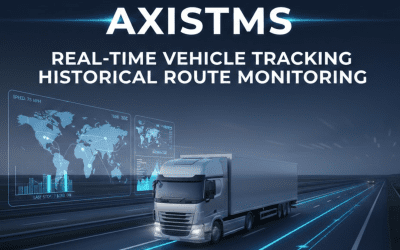
Customers and stakeholders now expect real-time updates at every stage of the delivery journey. Advanced transportation management systems deliver robust track and trace capabilities, offering end-to-end visibility through GPS, IoT sensors, and digital dashboards. These features do more than update arrival times—they alert teams to potential disruptions, enable proactive exception management, and assure customers of precise ETAs.
With real-time shipment tracking, service providers can analyze trends, reduce manual check calls, and empower customer service teams to deliver accurate, timely information every time. As a result, logistics operations become more transparent, agile, and responsive, setting the groundwork for a world-class supply chain.
Comparison of Key TMS Features Across Leading
| Feature | Manhattan Active TMS | Oracle TMS | SAP TMS | Axis TMS |
|---|---|---|---|---|
| Route Planning & Optimization | ✔️ Advanced AI Optimization | ✔️ Customizable Routing | ✔️ Integrated Network Design | ✔️ Real-Time AI-Driven Planning |
| Carrier Management | ✔️ Dynamic Rate Benchmarking | ✔️ Multi-Carrier Integrations | ✔️ Carrier Collaboration Portal | ✔️ Automated Carrier Selection |
| Load Optimization | ✔️ 3D Load Modeling | ✔️ Container & Pallet Optimizer | ✔️ Load Consolidation Engine | ✔️ Consolidation Algorithm |
| Shipment Tracking | ✔️ Real-Time IoT Integration | ✔️ GPS & Mobile Tracking | ✔️ SAP Analytics Cloud Link | ✔️ Live Dashboard & Alerts |
| Freight Audit & Payment | ✔️ Integrated Payment Gateway | ✔️ Invoice Reconciliation | ✔️ Automated Dispute Mgmt | ✔️ Auto Billing & Dispute Resolution |
How Does a Enhance Performance?
Reducing Transportation Costs and Improving Service Providers’ Margins
With rising fuel prices and tightened capacity, cost control remains a priority for every logistics service provider. A best-in-class transportation management system directly addresses this challenge through optimization algorithms, automated carrier negotiation, load consolidation, and continuous freight auditing.
The result? Consistent reductions in total spend, decreased invoice disputes, and stronger margins for service providers. By analyzing cost drivers and operational KPIs in real time, TMS users spot inefficiencies instantly—empowering them to act before costs escalate out of control.

Enhancing Customer Experience with Automated Notifications
Speed, accuracy, and transparency are the hallmarks of exceptional customer service in logistics. Modern TMS solutions allow organizations to configure automated notifications for every milestone—from pickup and departure to in-transit status and final delivery. This real-time communication minimizes “where is my order?” queries and increases customer satisfaction scores.
Not only does automation encourage proactive communication, but it also builds lasting trust with shippers, consignees, and stakeholders throughout the supply chain. Streamlining updates via customizable channels (SMS, email, portal) sets businesses apart in a crowded, competitive marketplace.
Boosting Agility with Machine Learning and AI-Driven Analytics
“Machine learning has transformed transportation management systems, enabling predictive analytics that boost decision-making for logistics service providers. ” By integrating machine learning and advanced analytics, TMS platforms can predict disruptions, forecast demand spikes, and streamline planning and execution processes. This allows businesses and logistics service providers to react swiftly to changes in customer demand, weather, or supply chain can disruptions.
AI-powered optimization engines also provide actionable insights for continuous improvement, alerting teams to opportunities for further cost reduction or performance enhancement. With such intelligence embedded in daily workflows, companies enjoy greater supply chain agility and resilience in the face of volatility.
Top on the Market
Review: Manhattan Active TMS
Manhattan Active TMS is renowned for its advanced AI optimization, highly configurable workflows, and seamless integration with other supply chain applications. This unified platform supports both inbound and outbound logistics and is trusted by global retailers, third-party logistics (3PLs), and manufacturers seeking best-in-class automation and visibility.
Highlights include 3D load planning, dynamic carrier selection, and robust freight audit tools. Its machine learning capabilities empower users with predictive insights that further optimize shipping strategies and improve customer experience. If scalability, flexibility, and cloud-native architecture are top priorities, Manhattan Active is a strong contender.
Review: Oracle
Oracle Transportation Management offers a powerful, unified TMS solution designed for complex enterprise environments. It stands out for its deep integration with broader Oracle cloud applications, including warehouse and order management, and is particularly popular among companies managing vast global supply chains.
Oracle’s TMS features multi-modal planning, dynamic rate benchmarking, and advanced reporting. It’s favored by businesses needing robust compliance, extensive carrier networks, and scalable infrastructure to support international growth.
Review: SAP Transportation Management
SAP TMS brings the power of SAP’s renowned ERP and analytics platforms to transportation management. Targeted at enterprises with complex network requirements, SAP TMS is praised for its real-time data synchronization, automatic shipment cost allocation, and tightly integrated freight settlement modules.
The platform excels in industries like manufacturing, retail, and pharmaceuticals where end-to-end visibility and regulatory compliance are essential. Its analytics engine delivers actionable insights, helping decision-makers optimize transportation spend and boost on-time delivery rates.
Review: Axis
Axis TMS differentiates itself with a focus on intuitive design, rapid implementation, and robust automation. Suitable for mid-sized businesses and 3PLs, Axis provides a clean dashboard interface, powerful load optimization, and live shipment tracking. Its flexible, cloud-based pricing model is especially attractive to fast-growing logistics providers.
Notable features include configurable alerts, integrated ELD compliance, and a dedicated mobile app for real-time updates. Axis TMS shines for organizations that need quick onboarding, scalable capacity, and proven ROI through tangible transport cost savings and improved operational agility.
Pricing and Feature Comparison of Leading TMS Solutions
| TMS | Deployment | Base Pricing | Best For | Key Integrations |
|---|---|---|---|---|
| Manhattan Active | Cloud | Custom/Qoute-based | Enterprise, 3PLs, Retail | WMS, OMS, Analytics Platforms |
| Oracle TMS | Cloud/Hybrid | Custom/Qoute-based | Global Enterprises | Oracle ERP, WMS, SCM |
| SAP TMS | Cloud/On-Premise | Custom/Qoute-based | Complex Manufacturing, Pharma | SAP ERP, Warehouse, Finance |
| Axis TMS | Cloud | Starts ~$99/month | SMBs, Fast-Growth 3PLs | ELD, QuickBooks, ERP, WMS |
Integrating a with Management Systems

Connecting TMS with Enterprise Resource Planning (ERP) and Systems
The value of a transportation management system is fully realized when it integrates seamlessly with other core management systems like ERP and WMS. This interconnectivity allows businesses to unify their order management, inventory, and shipment workflows on one digital platform, eliminating silos and reducing manual entry errors.
By connecting these platforms, businesses enjoy enhanced data integrity, faster order-to-cash cycles, and improved forecasting. Whether handling domestic shipments or global supply chains, these integrations streamline logistics operations, increase data visibility, and empower teams to adapt quickly to supply and demand fluctuations.
Data Flows: Maximizing Chain Management and Logistics Service Efficiency
Real-time data flows are the lifeblood of a modern chain management solution. TMS integration enables instant data exchange between WMS, ERP, and order management, powering intelligent automation, proactive exception management, and synchronized inventory decisions.
This automation not only increases logistics service efficiency but also ensures that disruptions are detected early and corrective actions can be taken before they impact delivery timelines or customer satisfaction. The result: consistent execution, swift adaptation, and a competitive edge in a rapidly evolving supply chain ecosystem.
How to Choose the Right for Your Business
- Assessing your current supply chain needs
- Evaluating management system scalability
- Integrating logistics service provider requirements
- Pricing models and cost constraints
- Vendor support and future-proofing
The process of selecting the right TMS solution begins with a thorough assessment of your organization’s unique logistics needs and supply chain complexity. Scalability should be a key consideration—ensure your chosen system can handle anticipated growth, increased shipment volumes, and multi-modal transport requirements. Integration capabilities are also essential, so consider platforms with robust APIs and proven success connecting with key partners, carriers, and warehouse management systems.
Evaluate pricing against your budget, and seek out vendor support options that address both immediate onboarding and long-term innovation. Ask about customer success programs, security standards, and future upgrade plans to ensure your investment remains competitive as logistics technology evolves.
Implementation Steps for a New
- Conducting a needs assessment
- Selecting the right transportation management system vendor
- Planning data migration and systems integration
- Training logistics service providers and internal teams
- Measuring KPIs for chain management success
A successful TMS implementation is founded on comprehensive planning and stakeholder alignment. Begin with a detailed needs assessment and clear goals around cost savings, efficiency, or visibility. Vendor selection should weigh not only technical capabilities but also industry expertise and a proven support track record.
Ensuring data accuracy during migration and integration with existing WMS or ERP platforms is critical for early wins. Train your teams thoroughly, emphasizing new workflow efficiencies and real-time analytics features. Lastly, set measurable KPIs—think cost reduction, on-time delivery, invoice accuracy—and use your TMS dashboard to track progress and iterate quickly.
TMS Trends: The Future of

Machine Learning, AI, and IoT in Transportation Management
As we move into an era of smart supply chains, advances in machine learning, artificial intelligence, and IoT are revolutionizing every aspect of transportation management. Predictive analytics powered by AI can forecast demand, optimize routes, and even predict delays before they occur. IoT-connected devices monitor shipments in real time, enabling proactive risk management and reducing costly disruptions.
The merging of these technologies within unified TMS platforms creates self-learning systems that continuously adapt to changing market conditions. The endgame: reduced downtime, consistently high on-time delivery rates, and a durable competitive advantage for forward-thinking businesses.
Cloud-Based Management Systems and Subscription Pricing
The adoption of cloud-based management systems is surging, driven by the need for rapid deployment, anywhere access, and scalable infrastructure. Subscription pricing models have democratized access to enterprise-grade transportation management software, making advanced features and automated workflows accessible to organizations of all sizes.
Cloud platforms also ensure security, resiliency, and compliance with constantly evolving regulations. As these solutions continue to evolve, expect richer integrations with partner networks and increased automation across every link in the supply chain.
Growing Role of Analytics and Predictive Optimization in
The next frontier for transportation management is predictive optimization. By embedding analytics directly into the TMS dashboard, organizations can simulate shipping scenarios, detect emerging patterns, and make proactive decisions that drive both efficiency and profitability.
Modern TMS platforms empower users to measure performance with granularity, benchmark against industry standards, and adjust strategies in near real time. Data-driven supply chains are no longer optional—they are the foundation of staying agile, resilient, and customer-centric in the digital age.
Customer Success Stories: How Businesses Transform with

“Implementing a transportation management system reduced our annual transport costs by 18% and improved our customer delivery times.” — Supply Chain Manager, Fortune 500 Retailer
Organizations of every size are seeing outsized benefits from modern TMS adoption—from multi-million dollar annual savings for large retailers to improved delivery reliability and customer service for dynamic third-party logistics providers. Digital transformation powered by an intelligent TMS is no longer a future vision—it’s a present-day reality that delivers quantifiable results.
End-to-end automation, unified platforms, and predictive insights foster a culture of continuous improvement, helping businesses excel in an era where every penny saved and every minute gained counts.
FAQs about
- What are the minimum features to look for in a transportation management system?At a minimum, look for route optimization, real-time shipment tracking, automated carrier selection, integrated freight audit and payment, and robust analytics. These core features ensure day-one operational improvements and future scalability.
- How can a TMS improve compliance and risk management?TMS platforms enforce regulatory compliance through automated document management, carrier credential verification, and up-to-date tracking of shipping requirements. Automated alerts and exception handling further reduce compliance risk.
- Can a transportation management system support multimodal and international logistics?Yes, leading TMS solutions offer support for multi-modal (truck, rail, air, ocean) and international logistics, with capabilities for customs integration, real-time global tracking, and multi-currency management.
- What is the typical ROI for implementing a TMS?Most organizations realize an ROI within 12 to 24 months, driven by transport cost reductions, improved accuracy, faster payments, and greater operational efficiency.
- How do cloud-based management systems compare to on-premise solutions?Cloud-based TMS offers faster deployment, automatic updates, easier integrations, and lower upfront costs compared to on-premise systems. They’re also more scalable for growing supply chains and logistics operations.
Key Takeaways on
- A transportation management system is essential for competitive supply chain logistics.
- Modern TMS platforms integrate with broader management systems for end-to-end visibility.
- Top solutions deliver real-time shipment tracking, automation, and analytics for service providers.
- Selecting the right TMS involves assessing unique business and chain management needs.
See a in Action

Video Walkthrough: Axis Platform
Your Next Step: Book an Demo
Ready to transform your supply chain logistics and boost operational efficiency? Book an AXIS TMS Demo today to experience a modern transportation management system in action.
Embrace end-to-end automation, predictive analytics, and real-time insights—adopt a transportation management system to stay ahead in tomorrow’s supply chain.