
GPS Fleet Tracking Software: Features, Pricing & ROI (2026)

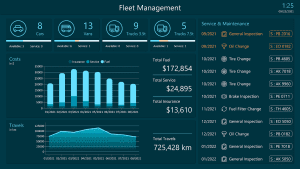
Axistms fleet management
GPS fleet tracking software has become one of the most important operational tools for trucking companies in 2026. With tighter margins, higher fuel costs, stricter delivery expectations, and increased competition, fleets need real-time data to stay efficient and profitable. GPS fleet tracking delivers that visibility by turning vehicle location data into actionable insights across dispatch, routing, driver management, and customer service.
Below is a clear breakdown of features, pricing expectations, and real-world ROI so fleet owners and operations managers know exactly what to expect.
Core Features of GPS Fleet Tracking Software
Modern GPS fleet tracking goes far beyond showing dots on a map. The most effective platforms include:
1. Real-Time Vehicle Location
Track every truck live with accurate GPS coordinates, speed, heading, and status. Dispatchers can instantly see which vehicles are available, delayed, or closest to the next load.
2. Route Monitoring & Optimization
Compare planned routes vs actual routes, identify detours, reduce deadhead miles, and reroute drivers around traffic or weather issues in real time.
3. Geofencing & Alerts
Create virtual boundaries around terminals, customer locations, or restricted zones. Get automatic alerts for arrivals, departures, unauthorized stops, or route deviations.
4. Driver Behavior & Performance Data
Monitor idling, speeding, harsh braking, and route adherence to improve safety, fuel efficiency, and accountability—without constant check-in calls.
5. Dispatch & Load Integration
The biggest advantage comes when GPS tracking is integrated with dispatch and load management. Location data is tied directly to loads, ETAs, driver assignments, and delivery status.
Platforms like AXIS TMS combine GPS fleet tracking with dispatch, routing, and driver workflows, allowing fleets to manage everything from one system instead of juggling multiple tools.
GPS Fleet Tracking Pricing in 2026
Pricing varies depending on features, fleet size, and integration level, but most trucking-focused solutions fall into these ranges:
-
Basic GPS Tracking:
$15–$30 per vehicle/month
(Live tracking, map view, basic alerts) -
Advanced Fleet Tracking:
$30–$60 per vehicle/month
(Routing, geofencing, reporting, driver behavior) -
Fully Integrated TMS + GPS:
$50–$100+ per vehicle/month
(Dispatch, loads, driver apps, billing, reporting)
While standalone GPS tools may appear cheaper upfront, integrated platforms often reduce total software costs by replacing multiple systems with one unified solution.
ROI: What Fleets Actually Gain
The return on investment from GPS fleet tracking is measurable and often immediate.
Fuel Savings
Reduced idling, optimized routing, and fewer unnecessary miles can lower fuel costs by 10–20% for many fleets.
Higher Dispatcher Productivity
Dispatchers spend less time calling drivers and more time managing loads efficiently, often handling more trucks without adding staff.
Improved On-Time Performance
Accurate ETAs and proactive rerouting lead to better customer satisfaction and stronger broker and shipper relationships.
Lower Vehicle Wear & Maintenance Costs
Fewer miles and better driving behavior reduce long-term maintenance and repair expenses.
Stronger Accountability & Transparency
Objective data replaces guesswork, reducing disputes, missed deliveries, and miscommunication between drivers and dispatch.
Is GPS Fleet Tracking Worth It in 2026?
For trucking companies of any size, GPS fleet tracking is no longer a “nice to have.” It’s a foundational system that directly impacts profitability, efficiency, and scalability.
Fleets that adopt GPS tracking—especially when it’s fully integrated with dispatch and load management—gain real-time control over operations and a clear competitive edge in a demanding market.
In 2026, the question isn’t whether to use GPS fleet tracking software — it’s whether your system is powerful enough to keep up with how trucking actually works today.